Blog
Steam Coil vs. Hot Water Coil
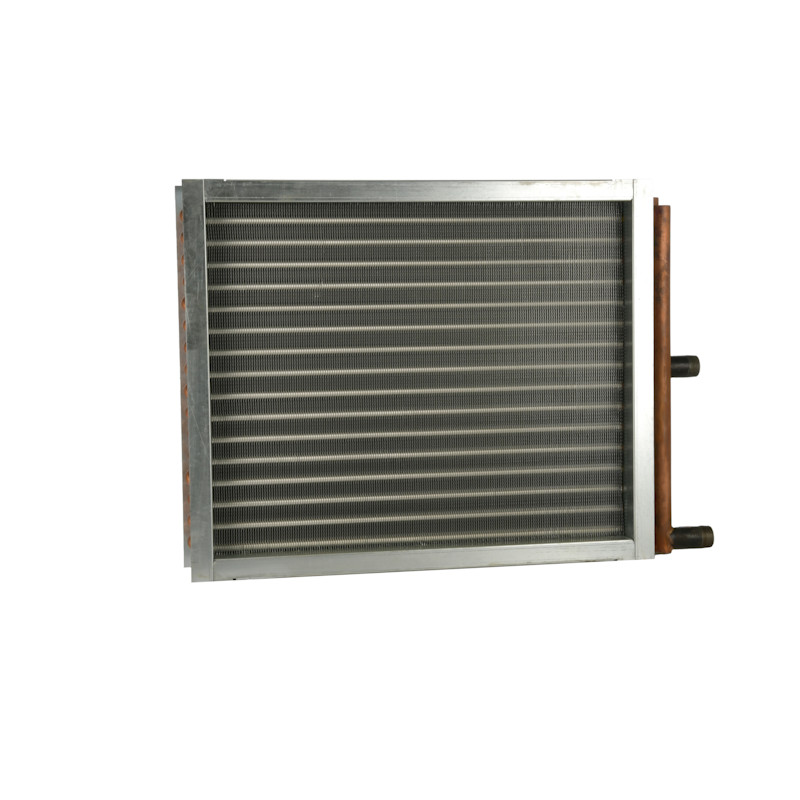
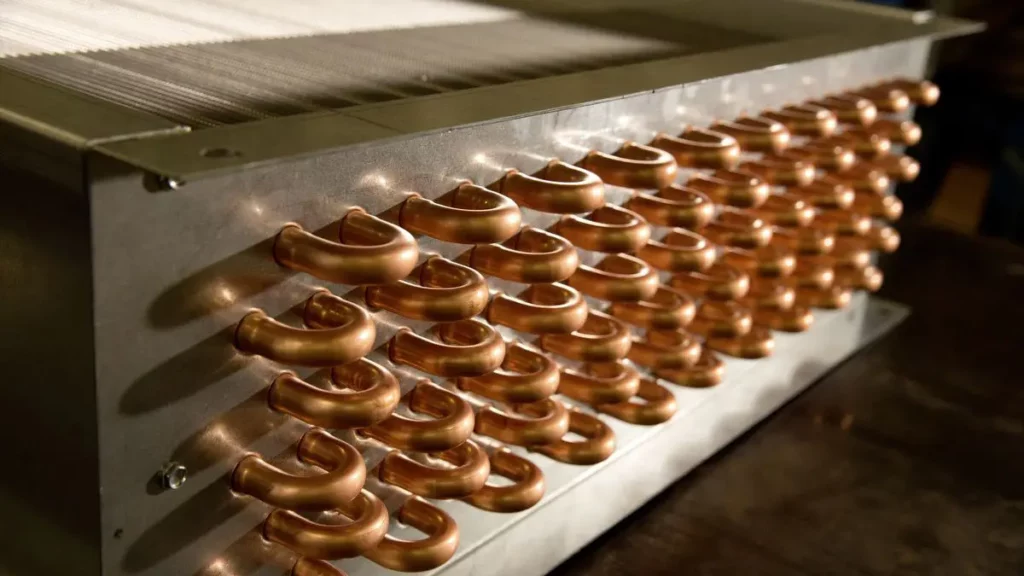
Steam coils and hot water coils are common options for heating air in HVAC/R and industrial systems, but they transfer heat in different ways. Choosing between a steam coil vs hot water coil depends on required heating capacity, existing steam or hydronic infrastructure, control requirements, operating conditions, and overall system design.
For HVAC OEMs, equipment manufacturers, and facility operators, these differences can affect everything from coil configuration to piping and maintenance. Neither option is universally better. The right choice is the one designed around the application's specific heating requirements.
How Do Steam and Hot Water Coils Work?
Both coil types transfer thermal energy from a heating medium flowing through tubes to air passing across the coil's fins. The difference is how that energy is released.
In a steam coil, steam enters the tubes and releases latent heat as it condenses. The resulting condensate must then drain from the coil. A hot water coil transfers sensible heat as circulating water decreases in temperature while passing through the tubes before returning to the heating system. These different processes influence coil circuiting, piping, controls, operating conditions, and maintenance requirements.
Steam Coil vs. Hot Water Coil: Key Differences
When comparing steam coils vs hot water coils, heat transfer is only one consideration. Steam can provide substantial heating capacity through the latent heat released during condensation. Hot water systems offer flexibility in controlling heating output by adjusting water temperature, flow, or both.
The supporting systems also differ. Steam coils require proper condensate drainage and components such as steam traps. Hot water systems rely on pumps, circulation, air removal, and balancing.
Operating pressure, entering-air temperature, freeze conditions, available infrastructure, and maintenance capabilities can further influence which heating medium is appropriate. These factors should be evaluated as part of the complete HVAC system rather than considering coil performance alone.
Types of Steam Coils
Steam coil construction can vary based on operating conditions and performance requirements. Two common configurations are standard steam coils and steam distributing coils.
Standard Steam Coils
A standard steam coil distributes steam from a supply header through its tubes, where the steam condenses as heat transfers to passing air. The resulting condensate exits through the return side of the coil.
Different tube arrangements and circuiting configurations can be used depending on the application. Proper condensate drainage is particularly important. Retained condensate can interfere with coil operation and create additional concerns when the coil is exposed to freezing air temperatures.
Steam Distributing Coils
Steam distributing coils use a tube-within-a-tube configuration. An inner distribution tube helps introduce steam along the length of the outer finned tube, promoting more uniform steam distribution.
This configuration can be useful in applications with low entering-air temperatures or increased freeze concerns. However, a distributing steam coil is not completely freeze-proof. Condensate remaining inside the coil can still freeze under sufficiently cold conditions, making proper drainage, installation, and system operation important.
How Hot Water Coils Work
A hot water coil circulates heated water through tubes while air moves across the fins. Heat transfers from the water through the tube and fin surfaces and into the airstream.
Circuiting and water flow are important to performance. Fluid pressure drop, entering-water temperature, airflow, and required leaving-air conditions all need to be considered when selecting the coil. Heating output can also be adjusted by changing water temperature or flow as system loads vary.
Proper air removal is another consideration. Trapped air can interfere with water circulation and heat transfer. The size, circuiting, and surface area of hot water coils should therefore be selected around the specific capacity and operating conditions of the system.
Heat Transfer and Temperature Control
Steam and hot water differ fundamentally in how they deliver energy. Steam releases latent heat as it changes from vapor to liquid, while hot water transfers sensible heat as its temperature decreases.
Steam's phase change can provide substantial heating capacity. Hot water, on the other hand, can provide flexibility where heating demand changes because output can be controlled through water temperature and flow.
Overall system efficiency cannot be determined by comparing the coils alone. Boiler performance, pumps, controls, distribution losses, operating temperatures, pressure drops, and actual heating loads can all influence energy use. The better choice depends on how the coil operates within the complete system.
Piping, Condensate, and Maintenance Requirements
Steam systems require careful attention to piping, steam traps, condensate drainage, and coil orientation. Condensate needs a clear path out of the coil to support proper operation.
Effective drainage can also help reduce freeze concerns when coils encounter cold entering air.
Hot water systems have different supporting requirements, including pumps, water circulation, balancing, and air removal. Fluid pressure drop must also be accounted for when sizing the coil and circulation equipment.
Existing infrastructure often plays a major role in the steam coil vs hot water coil decision. A facility with an established steam supply may have different priorities than a system already designed around hydronic heating. Available maintenance resources should also be considered.
Can You Replace a Steam Coil with a Hot Water Coil?
Although both types of coils heat air, a steam coil and hot water coil should not automatically be considered interchangeable. Circuiting, tube construction, connections, operating conditions, and system requirements can differ. Steam coils also need to accommodate condensate in ways that hot water coils do not. For retrofit projects, existing dimensions, airflow, capacity, connections, available heating medium, and operating conditions should be evaluated before specifying a replacement.
How to Choose Between a Steam Coil and Hot Water Coil
Selecting the appropriate heating coil requires looking at the complete application. Important considerations include:
- Required heating capacity and leaving-air temperature
- Available steam or hot-water infrastructure
- Entering-air temperature and freeze conditions
- Airflow, face velocity, and air pressure drop
- Heating-medium temperature, pressure, and flow rate
- Temperature-control requirements
- Coil dimensions and available installation space
- Tube and fin materials
- Circuiting and fluid pressure drop
- Maintenance requirements and expected service life
Steam applications also require consideration of condensate drainage and installation orientation. For hot water coils, proper flow, air removal, and circuiting are important to achieving the required performance. Evaluating these factors together allows the coil to be designed around the system instead of selecting one technology simply because it offers a particular advantage.
Find the Right Steam or Hot Water Coil with Precision Coils
Precision Coils manufactures custom steam and hot water coils based on required capacity, dimensions, airflow, materials, fluid conditions, and other application requirements. Whether you need a coil for new HVAC equipment, an OEM application, retrofit, or replacement, our team can help determine the appropriate steam coil or hot water coil configuration for your system. Explore our custom HVAC coils or contact Precision Coils to discuss your operating conditions, performance requirements, and coil specifications.