Chilled Water Coils
Chilled Water Coils for Efficient Cooling
Chilled water coils play a critical role in HVAC systems for industrial and commercial facilities where high-capacity cooling is required for equipment operation and comfort. Precision Coils manufactures replacement, OEM, and design-build chilled water coils to customers’ exact specifications.
Custom Specifications for Chilled Water Coils
There are various factors to consider when ordering a replacement or OEM chilled water coil. As a chilled water coil supplier for more than 25 years, Precision Coils’ staff have the expertise to help customers develop coils matching their system’s design requirements and performance goals. These customization options include:
- Cooling Capacity: Matching a coil’s cooling capacity to an HVAC system’s cooling load is necessary for efficient coil operation.
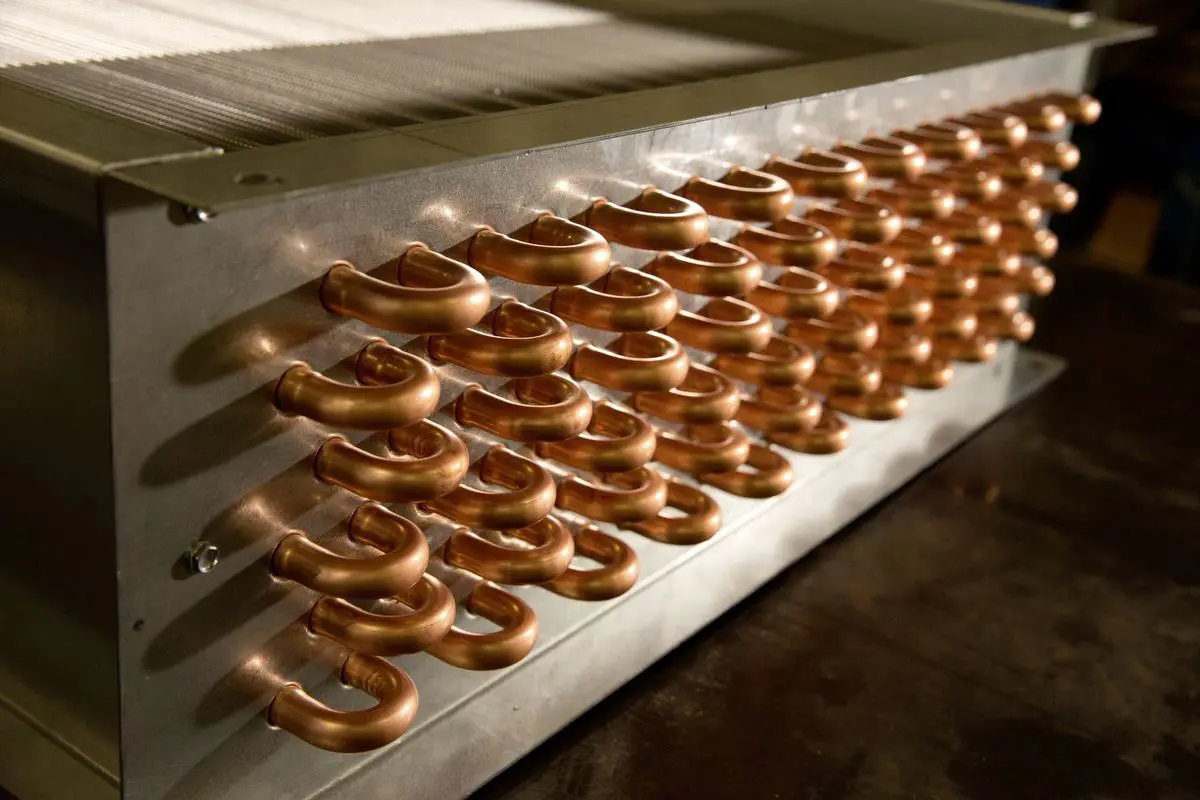
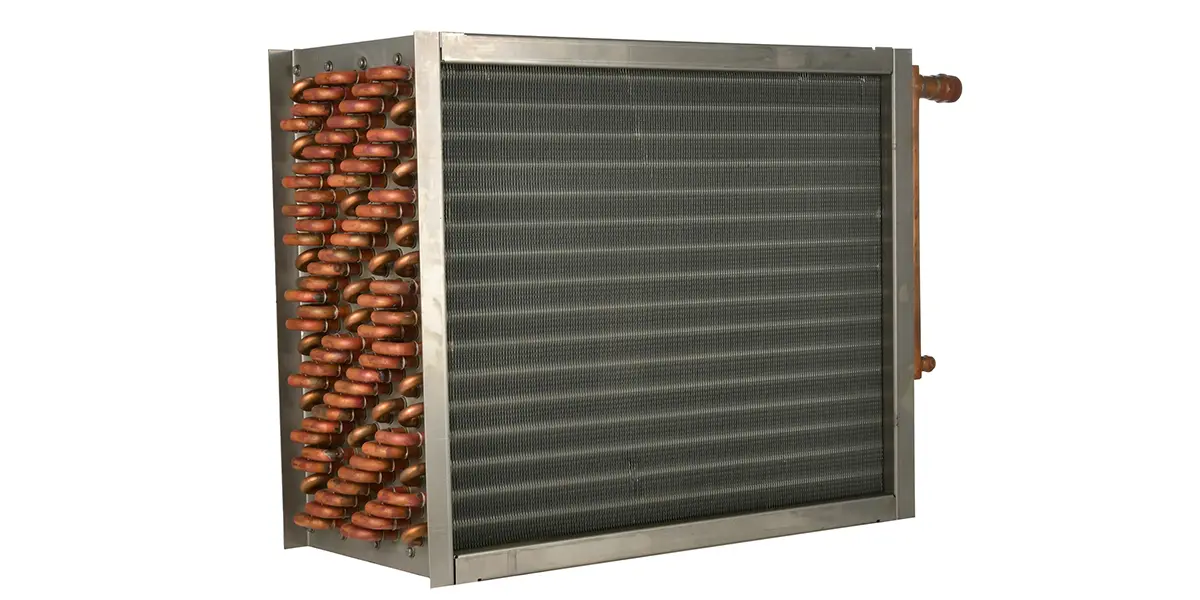
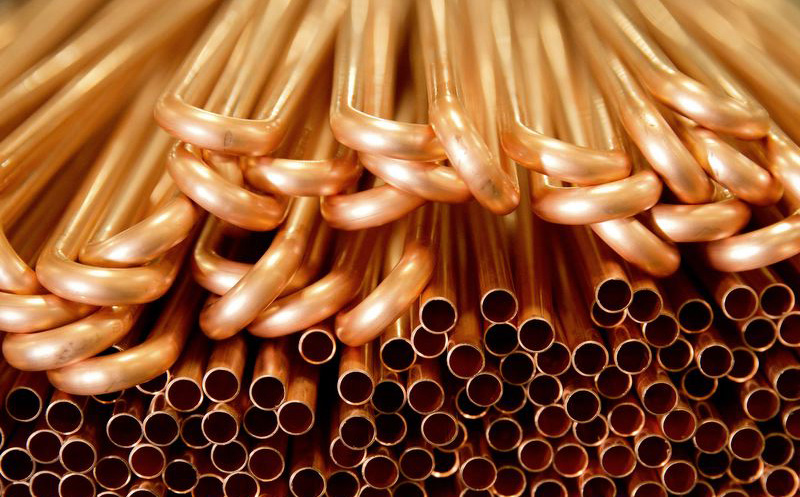
- Material Selection: Materials available for constructing chilled water coils include galvanized steel, stainless steel or copper casings, copper tubing with aluminum or copper fins, and special anti-corrosive coatings.
- Fin Density: While a higher fin density increases the coils’ heat transfer, it can also result in greater air resistance or pressure drop.
- Circuiting and Rows: The type of tube circuiting and number of coil rows impact coil performance and the decrease in air pressure. Chilled water coils from Precision Coils can be built with 1–12 rows.
- Connections: MPT, FPT, sweat, or Victaulic connections are available in copper, steel, or brass.
Direct Order Entry in PC Select
Precision Coils products can be purchased directly from PC Select using Direct Order Entry (DOE). DOE offers accelerated order processing and faster access to order acknowledgements, sales order numbers, and estimated ship dates to complete projects efficiently. Contact your sales representative to set up an account.
Chilled Water Coil Applications
Chilled water coils are primarily used in larger commercial facilities to meet high cooling demands. Some sites that use chilled water coils include:
- Office Buildings
- Airports and Transportation Hubs
- Hospitals and Healthcare Facilities
- Data Centers
- Schools and Universities
- Industrial Plants
Benefits of Chilled Water Coils
- Energy Efficiency: Chilled water coils readily integrate into central chiller systems, which offer greater energy efficiency than direct expansion (DX) cooling systems.
- Scalability: HVAC systems for larger properties such as schools, offices, and hospitals utilize chilled water coils for their precise temperature control.
- Humidity Control: Chilled water coils cool air below the dew point, helping remove moisture while enhancing indoor air quality and comfort.
- Design Flexibility: Chilled water coils come in various sizes, materials, and fin configurations, offering full customization to handle specific airflow rates, space constraints, and cooling requirements.
As a leading chilled water coil manufacturer, Precision Coils’ experience and commitment to customer satisfaction enables us to deliver premium, customized coils with rapid, responsive service unmatched by our competitors.
How Chilled Water Coils Function
Chilled water coils function as a heat exchanger within HVAC systems, using chilled water to remove heat from the air stream. As air passes over the coil, heat is transferred to the water circulating through copper tubes and aluminum fins. This process cools the air and removes moisture through condensation. The chilled water then returns to the chiller to cool and recirculate through the system. Chilled water coils are commonly installed in air handlers and fan coil units, where consistent airflow and water flow are required for proper operation. Coil performance depends on system conditions, including water temperature, airflow, and coil design, to meet required cooling and dehumidification demands.
Design Variables That Impact Performance
Chilled water coil performance is determined by several design factors. The number of rows affects the amount of heat transfer, while fin spacing influences airflow resistance and coil capacity. Tube circuitry is designed to control how water moves through the coil, impacting both efficiency and pressure drop. Face velocity must be maintained within the proper range to ensure effective cooling and prevent moisture carryover. Additional considerations, such as connection type and circuit arrangement, affect how the coil integrates into the system. Whether used in an air handling unit or custom air handlers, properly designed water coils are built to match specific performance requirements, airflow conditions, and system constraints.
Material and Coating Options
Chilled water coils are available in a range of material configurations to meet application requirements. Standard construction includes copper tubes and aluminum fins for efficient heat transfer and durability. Stainless steel casings are available for applications requiring additional corrosion resistance or structural strength. Protective coatings can be applied to coil surfaces to extend service life in corrosive or high-moisture environments. Material selection depends on operating conditions, environment, and performance requirements. Properly selected materials help maintain coil performance, reduce maintenance, and ensure long-term reliability in a variety of HVAC coil applications.
Installation and Drainage Best Practices
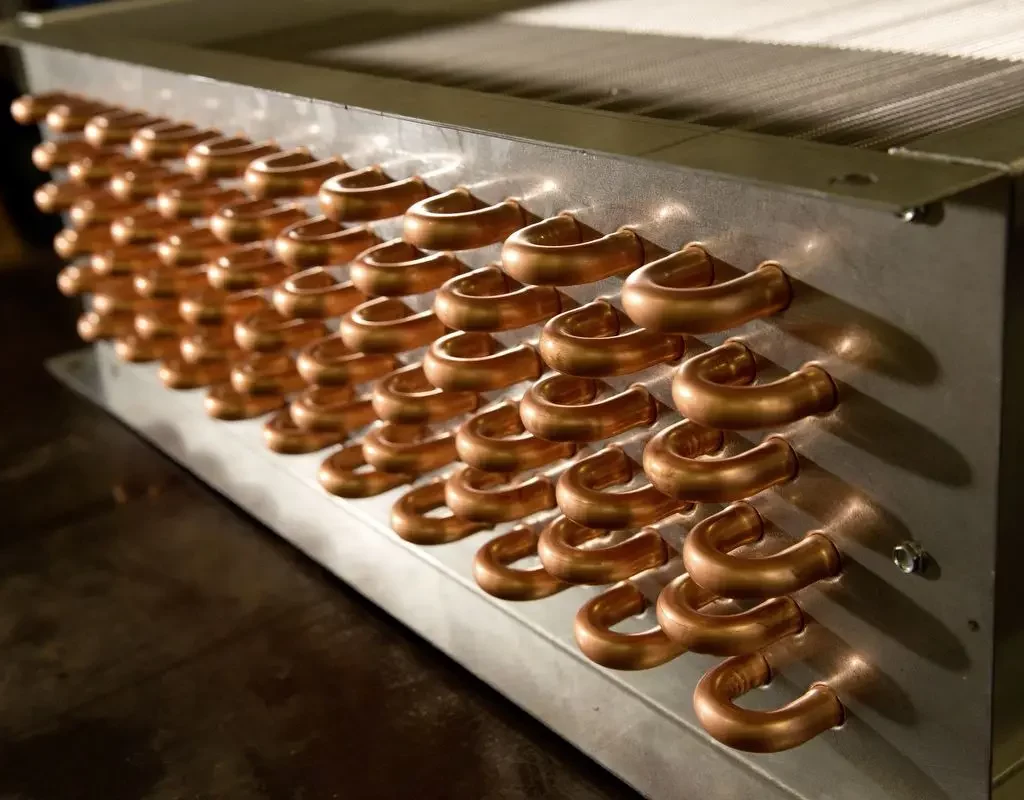
Proper installation of chilled water coils supports consistent performance and system efficiency. Coils should be aligned with airflow to ensure even air distribution across the coil surface. Condensate drainage must be properly designed, including sloped drain pans and appropriate connections, to prevent water accumulation. Sealing the coil within the air handling unit helps minimize air bypass. Following standard installation practices help maintain coil performance and support reliable operation over time.
Applications Across Industries
Chilled water coils are used in a wide range of commercial and industrial applications. In healthcare and laboratories, they support controlled environments and humidity management. Data centers use chilled water coils to manage heat loads and maintain equipment operation. Institutional buildings, including schools and universities, rely on water coils for consistent air conditioning. Industrial facilities use chilled water systems for process cooling. Chilled water coils provide a reliable solution for applications requiring consistent cooling and system performance.
Right Fit. Right Now.