
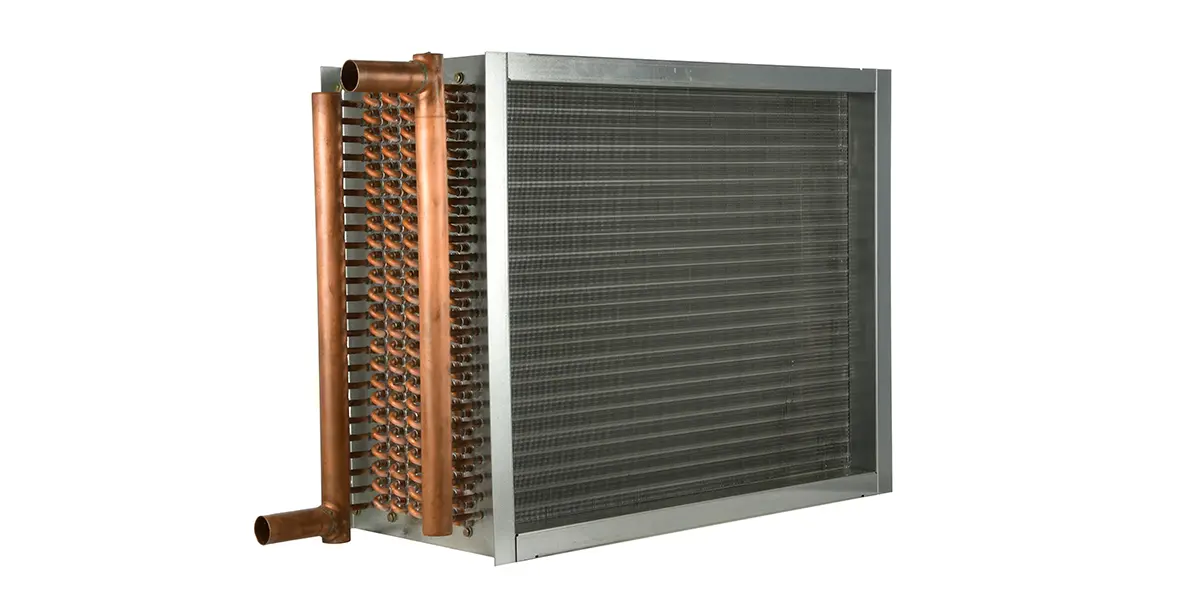
Hot Gas Reheat Coils
Prevent Energy Waste with Hot Gas Reheat Coils
Hot gas reheat coils function by trapping the heat emitted from refrigeration systems and exhaust air and using that heat to warm the air entering your HVAC/R system. Precision Coils’ experts help you find the correct hot gas reheat HVAC/R heat transfer products, saving you energy, money, and improving your system’s efficiency.
Selecting the Correct Hot Gas Reheat Coil
Multiple specifications regarding your HVAC/R system’s operation must be considered when purchasing hot gas reheat coils. Our trusted staff help you obtain these specifications, ensuring your hot gas reheat HVAC/R coils meet your system’s precise operating requirements. Specifications and other factors to consider include:
- Heat Load: Hot gas reheat coils have a limit on the amount of heat they can recover, and different systems will have varying heat load requirements.
- Airflow: The hot gas reheat coil must be properly matched to the speed and volume of your HVAC/R system.
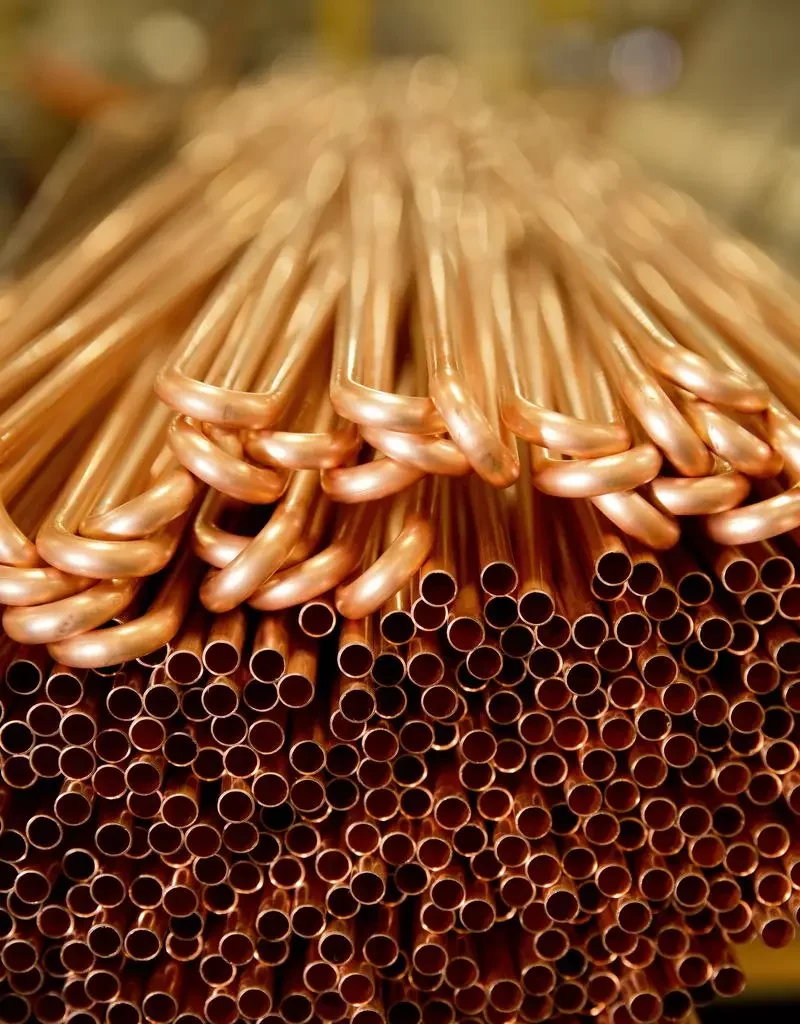
- Materials: While built with copper tubes and aluminum fins, hot gas reheat coils can also be constructed with stainless steel casings or coatings for harsher environments.
- Coil Configuration: Hot gas reheat HVAC/R coils can be configured for horizontal, vertical, or custom layouts to properly integrate into your system.
- Type of Application: Some hot gas reheat coils rely on air-to-air heat recovery, while others use refrigerant. Precision Coils’ experts offer guidance on which coil type is right for your system.
Direct Order Entry in PC Select
Precision Coils products can be purchased directly from PC Select using Direct Order Entry (DOE). DOE offers accelerated order processing and faster access to order acknowledgements, sales order numbers, and estimated ship dates to complete projects efficiently. Contact your sales representative to set up an account.
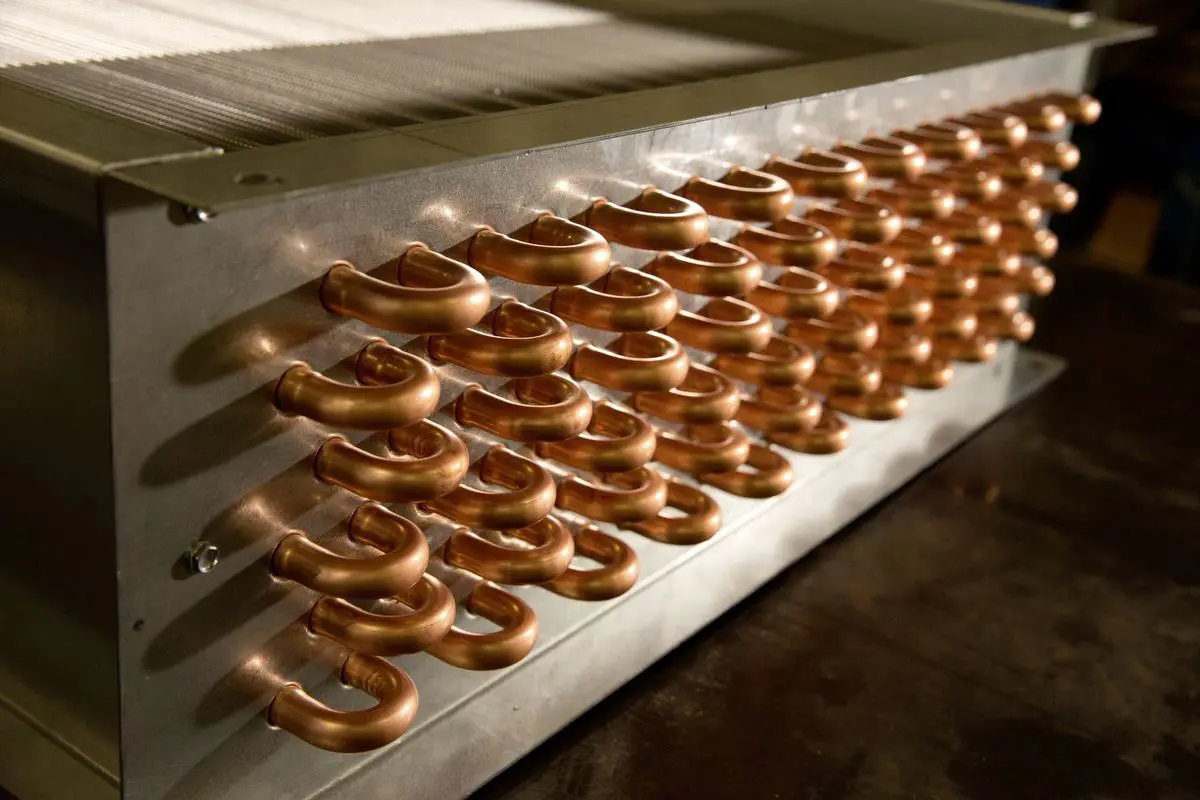
Hot Gas Reheat Coil Applications
Hot gas reheat coils are used to heat larger commercial or industrial properties. Some spaces where hot gas reheat HVAC/R coils are frequently used are listed below:
- Commercial Buildings and Offices
- Grocery Stores
- Industrial Plants
- Schools
- Data Centers
- Hospitals and Healthcare facilities
Benefits of Hot Gas Reheat Coils
- Cost-Effective Energy Efficiency: Hot gas reheat coils radically lower your HVAC/R system’s energy consumption, which in turn lowers heating costs.
- Smaller Carbon Footprint: By capturing and reusing heat, hot gas reheat coils prevent energy waste to make your property more environmentally sustainable.
- Comfort: By preheating incoming air, hot gas reheat HVAC/R coils improve the efficacy of your system to maintain comfortable temperatures in colder weather.
- Versatility: Hot gas reheat coils are easily integrated into multiple types of HVAC/R systems.
Precision Coils is passionate about helping customers get the most out of their HVAC/R systems, and we’ve been doing so for 25 years. Our experts help you select and size the hot gas reheat coil best suited for your system, reducing wasted heat and lowering energy costs.
Why Hot Gas Reheat Is Used
A hot gas reheat coil helps HVAC systems manage two separate goals at the same time: humidity control and occupant comfort. In commercial buildings, the system must remove moisture from the air through dehumidification, which often cools the air more than the space needs. Reheat solves that problem by warming the air back up before being delivered into the occupied area.
Rather than relying only on electric or fuel-based reheat methods, hot gas reheat uses heat that’s already available in the refrigeration cycle. That practicality makes it a great option for buildings in need of tighter temperature control without sacrificing dehumidification performance. For building managers, engineers, and designers, this approach allows better thermal comfort, more stable indoor conditions, and stronger indoor air quality in spaces where moisture control matters.
System Integration Considerations
Hot gas reheat coils perform best when they’re matched correctly with the rest of the HVAC system. In many applications, they’re paired with DX evaporator coils to remove moisture first, then reheat the leaving air to a more usable supply temperature. The relationship between the evaporator coil, refrigerant circuit, and reheat coil is closely linked to overall HVAC performance.
Refrigerant routing, control sequences, available hot gas capacity, and coil selection all play an important role in how well the system performs. Engineers also need to account for airflow, entering and leaving air temperatures, and how the coil will operate during part-load conditions. For packaged rooftop units and other integrated HVAC systems, controls need to be set up so that reheat supports dehumidification without creating unnecessary energy use. Precision Coils helps customers size and configure coils, so the reheat section works seamlessly with the full air conditioning and ventilation strategy.
Performance and Energy Impacts
Compared to more traditional reheat methods, hot gas reheat can improve temperature control while making use of heat that would otherwise go to waste. That’s a major reason why it’s trusted in energy-efficient HVAC systems focused on reducing excess energy consumption. Rather than overcooling a space and then reheating with a separate energy source, the system captures hot gas from the refrigeration process and puts that heat to work.
This approach brings sustainable solutions to buildings where humidity control is crucial to operations. It helps facility teams balance moisture removal with occupant expectations, especially in humid climates or buildings with varying occupancy loads. And when designed correctly, hot gas reheats handles dehumidification with less energy than many conventional reheat options.
Configuration and Material Options
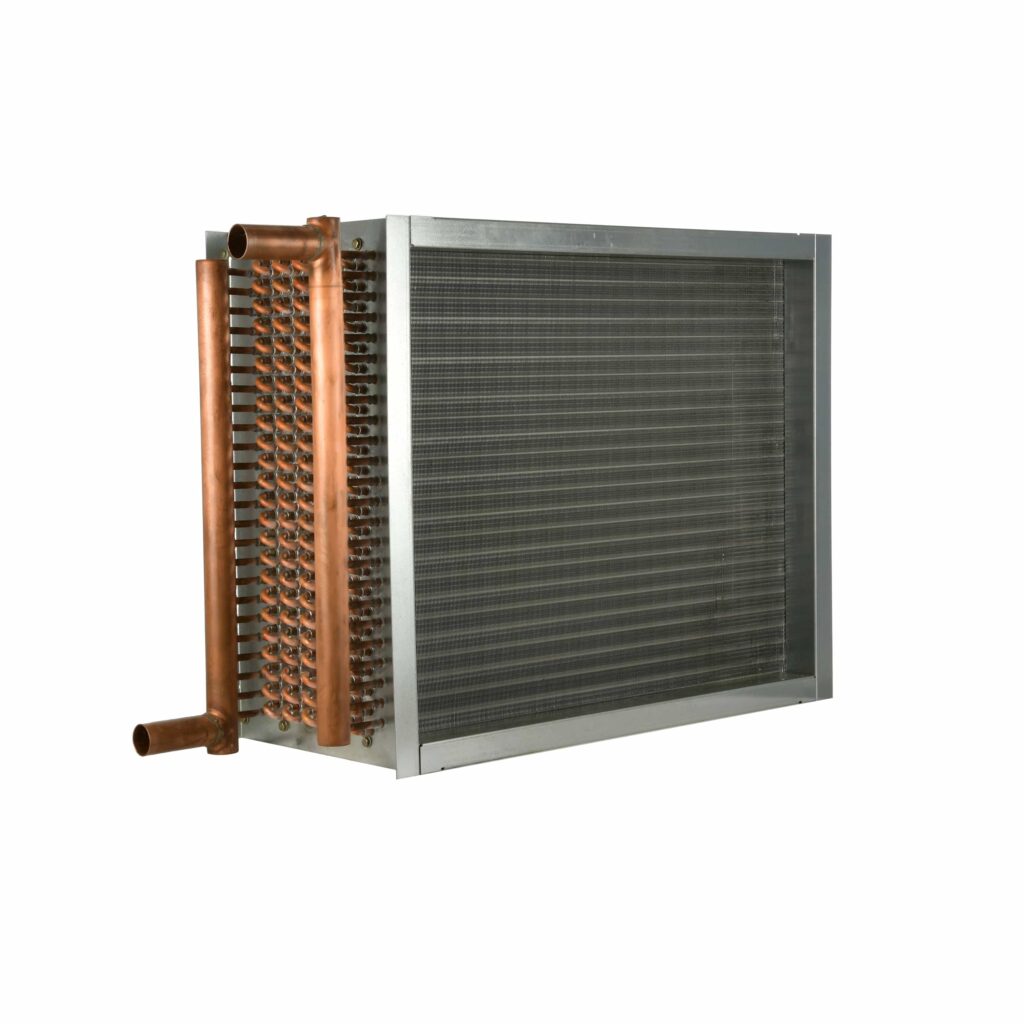
Hot gas reheat coils can be made to fit a wide range of design requirements. Precision Coils offers flexibility in coil dimensions, circuiting, casing construction, and material selections for both new equipment and replacement projects. Depending on the environment and installation needs, stainless steel casings, special fin materials, and custom measurements are available.
Configuration flexibility is especially useful for engineers, contractors, and OEMs working around space constraints, existing ductwork design, or demanding operating conditions. Properly configured reheat coils deliver durability, serviceability, and reliable long-term performance.
Ideal Applications
Hot gas reheat coils are commonly used in buildings where humidity, ventilation, and temperature control need close attention. Everyday examples include healthcare facilities, laboratories, schools, data centers, and commercial buildings in humid regions. Additionally, they’re a strong fit for applications that require strong indoor air quality without compromising comfort.
In each of these environments, hot gas reheat supports ventilation strategies by allowing systems to remove moisture effectively while continuing to deliver air at an appropriate temperature.
Right Fit. Right Now.