Blog
Types of Steam Coils: How to Choose the Right Design
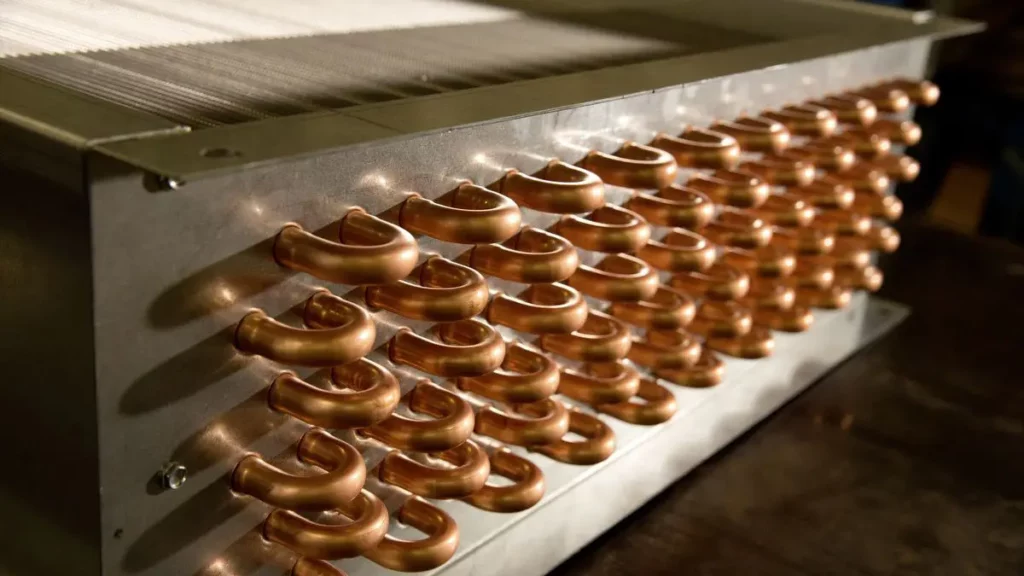
Steam coils heat air inside of air handling units, ductwork, and industrial processes. As steam condenses inside the tubes, it gives up heat to the passing air.
For a replacement or new unit, the main choice often comes down to a standard or distributing design, with air temperature, space, and drainage shaping the final decision. Precision Coils crafts custom coils for replacement and new equipment, with Quick Build options when a system can’t wait.
Overview of Coil Types
Two main families cover most air heating jobs: standard steam coils and steam distributing coils. Both of them heat air, but they route steam differently. Single-pass, multi-pass, and vendor letter codes describe their circuits; always confirm the drawing and operating conditions with the manufacturer.
Standard Steam Coils: Single Pass
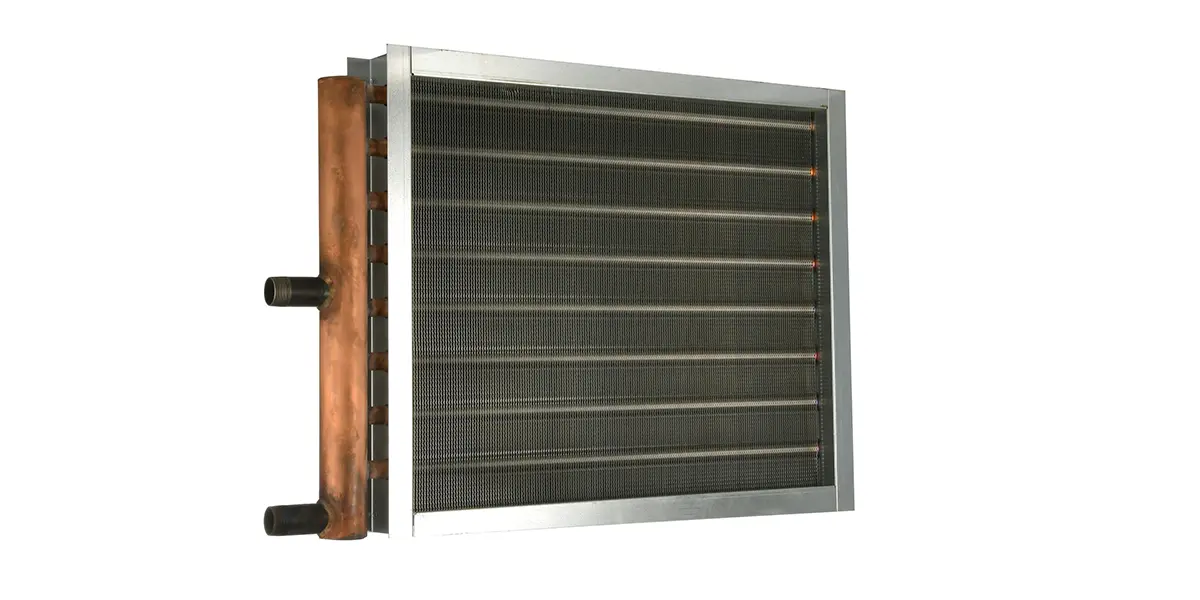
A standard single-pass coil sends steam from a supply header through straight finned tubes to a condensate header at the opposite end. The simple route supports efficient heat-up, strong heat output, and a compact footprint. Plate fins, often aluminum on copper tubes, give passing air a wide surface for heat transfer. These suit reheat and process air applications when freezing is unlikely.
Still, they need a clear path for condensate. If a control valve throttles steam while cold outdoor air hits the coil face, trapped water raises the risk of freezing. Check inlet temperature, valve operation, and drainage before choosing a standard coil.
Steam Distributing Coils: Tube Within a Tube
A steam distributing coil places a smaller steam supply tube inside of a larger finned tube. The inner steam supply header feeds the tubes that distribute steam along the coil, while condensate moves through the outer passages to the return header. This design evens out the temperature across the coil face and minimizes freeze risk in outdoor air units.
Same-end connections are available on certain distributing designs, which can streamline a retrofit with piping on one side. Other designs feature opposite-end connections, but both designs still need proper traps, piping, and freeze controls. Specify the circuit and connection locations rather than relying on the coil name.
Coil Connection Locations
Connection locations are crucial when you’re replacing an existing coil. Confirm the proposed layout with Precision Coils, including connection sizes, header positions, and clearance for piping and maintenance. Choose the construction based on the entering air temperature, steam pressure, airflow, and condensate drainage.
Coil Design and Heat Transfer Considerations
The ultimate goal is to achieve steady heat across the coil face without trapping condensate, and tube size, wall thickness, fin spacing, row count, and airflow all affect that. A coil can fit its cabinet yet still miss the required heating capacity or exceed the fan’s pressure limit.
Plate Fins Versus Spiral-Wrapped Fins
Plate fins provide broad heat-transfer area, a range of fin densities, and relatively straightforward access for cleaning. Spiral-wrapped fins offer thicker fin options and make individual tube replacement practical in some designs. Dust lowers the performance of either surface; in dirty air, consider fin spacing and cleaning access before choosing a dense fin pack.
Tubes, Wall Thickness, and Pressure
Copper conducts heat well and is a common tube material, while stainless steel suits corrosive environments better. Headers and connections vary by design, so match wall thickness and the assembly rating to the system’s operating and design pressures.
Condensate and Connection Layout
According to the approved drawing, pitch the installed coil and condensate line toward the outlet. Size the trap and return piping for the load and pressure difference, providing drainage when the control valve throttles. Water held inside of a coil can cut heating capacity, cause water hammer, or freeze during a cold-air cycle. Opposite-end connections suit straight single-pass paths; same-end connections help when existing piping limits the layout.
Customization, Testing, and Replacement
Precision Coils tailors materials, tube rows, fin spacing, casing, and connections to every job. PC Select supports product selection and pricing, while Direct Order Entry provides estimated ship dates. Our Quick Build Program offers expedited lead times.
For a replacement quote, record the face height and width, casing dimensions, finned length, row count, fin spacing, tube orientation, connection sizes and locations, airflow direction, steam pressure, and entering and desired leaving air temperatures, also including photos of the nameplate and piping. Confirm the design pressure, documented leak test, and whether the selected model falls within AHRI 410.
Corrosion, erosion from excessive steam velocity, and frozen condensate can all shorten the coil life. Inspect traps and strainers consistently, clean fins without bending them, and investigate any repeated leaks. Always target the root cause before installing a replacement.
Find the Right Steam Coil for Your System
Choose coils based on the coldest entering air, required heat output, piping access, and condensate path. Review Precision Coils’ standard steam coils, use PC Select for a starting specification, or request engineering support and a quote for a custom replacement or freeze-prone installation.