Blog
What Are Condenser Coils? How They Work and When to Replace Them
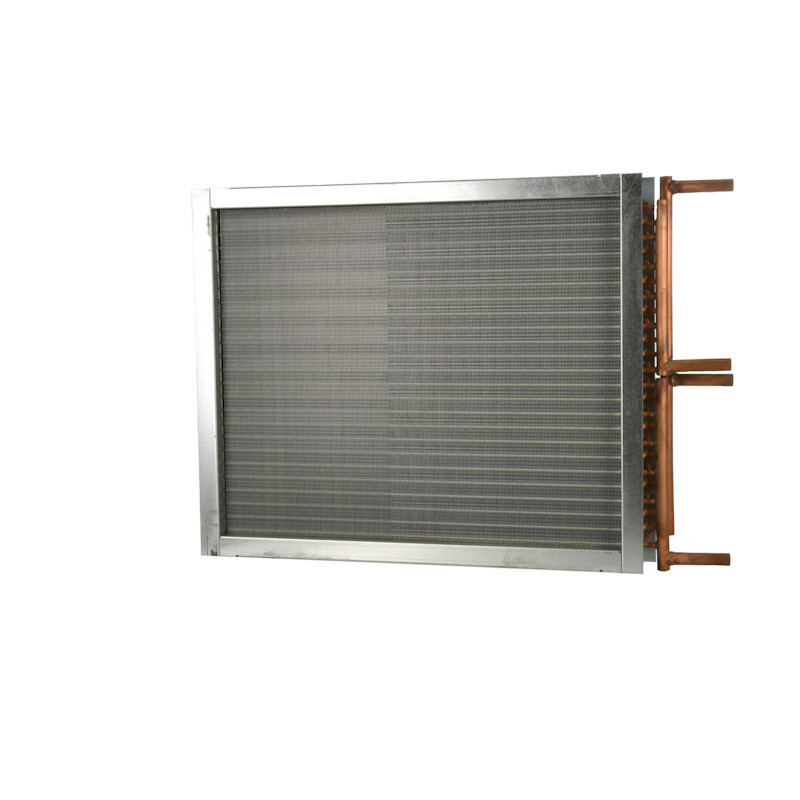
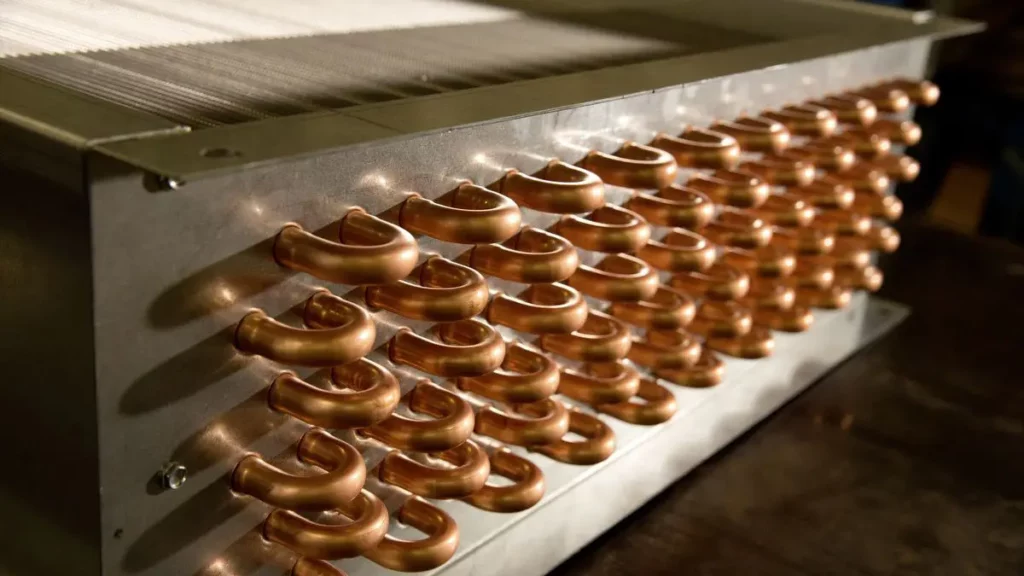
What are condenser coils, exactly? A condenser coil is a heat exchanger that releases heat from refrigerant, turning hot gas back into liquid. In a typical air conditioner, it sits inside the outdoor unit, where a fan moves air across its fins.
How the Cooling Cycle Works: Two Coils in an Air Conditioner
In a closed-loop cooling cycle, the indoor evaporator coil absorbs the heat. Then, the compressor sends hot, high-pressure refrigerant gas to the outdoor condenser coil. As outdoor air carries heat away, the gas condenses into liquid and returns indoors through an expansion device. Heat rejection is crucial for efficient cooling.
Evaporator Coil Versus Condenser Coil: How They Work Together
The indoor evaporator uses cold refrigerant to cool air, and the outdoor condenser releases the collected heat. Together, they work to balance heat transfer in air conditioning systems.
Types of Condenser Coils: Air-Cooled and Water-Cooled
Air-cooled coils use fans and outdoor air, common across residential and commercial units. Water-cooled designs can transfer heat to water in larger installations. Copper tubes with aluminum fins are typical; all-copper coils and stainless-steel casing options help in corrosive settings.
Where Condenser Coils Are Used
They’re most commonly seen in air conditioners, rooftop units, and refrigeration equipment. Custom sizing helps commercial and OEM equipment meet space and capacity needs.
Condenser Coil Design and Custom Specs for Manufacturers
Although fin density adds heat-transfer area, crowded fins can restrict airflow. More tube rows increase capacity, but they also add air resistance. Tube diameter shapes the refrigerant flow and pressure drop.
Manufacturers also consider refrigerant compatibility, space, and corrosion-resistant coatings; some designs can reduce the refrigerant charge, but charge depends on the full system.
Maintenance: How to Clean Condenser Coils (and How Often)
Check the outdoor airflow and clear leaves every week during cooling season. Schedule a professional cleaning annually, or even more often in dusty locations. With the power off, gently clear loose debris with a soft brush or low-pressure water, following all manufacturer directions. Additionally, avoid high-pressure spraying. Replace or clean the indoor air filters at least every three months.
Benefits and Performance: Why Good Condenser Coils Matter
A clean and properly sized coil can control energy use and compressor strain. Meanwhile, a dirty condenser coil can make cooling weaker and running costs higher. Sound design and upkeep can extend system life significantly.
Common Problems and Troubleshooting for Condenser Coils
How do you know if a coil is bad? Watch out for weak cooling, frequent shutdowns, damaged fins, or oily residue that can signal a refrigerant leak. Technicians can test airflow, refrigerant pressure, and high discharge temperature before recommending any repairs. Typically, it’s best to leave refrigerant lines to the professionals.
Buying, Replacing, and Custom Options
How much does replacement cost? There’s no single price, as size, refrigerant, labor, and warranty coverage all affect the total. Labor alone can cost thousands even when a coil is covered under warranty, so ask for a detailed quote. While a condenser coil can last for much of an AC system’s 15–20-year life, leaks or corrosion can compromise it.
For commercial replacements and OEM projects, Precision Coils provides custom designs. PC Select Direct Order Entry streamlines ordering, while our Quick Build program offers lightning-fast lead times.
Find the Right Condenser Coil
Explore Precision Coils’ condenser coils and contact the team for a custom quote or technical consultation today.