Blog
What Is Coil Corrosion?
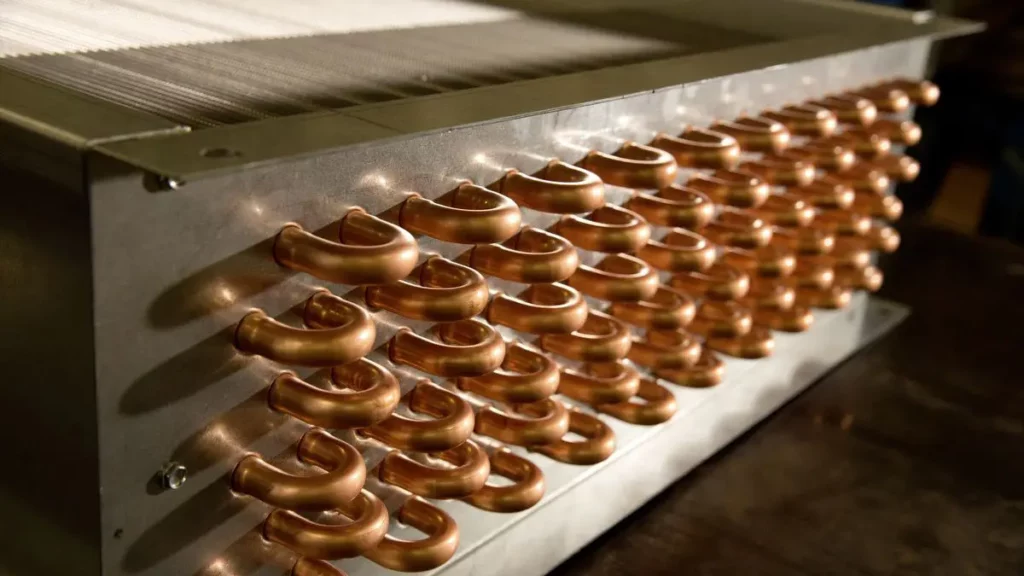
Coil corrosion is the deterioration of metal surfaces in HVAC/R coils caused by chemical or electrochemical reactions with moisture, chemicals, and environmental contaminants. Over time, corrosion can damage coil components, reduce heat transfer performance, and contribute to equipment failure.
Understanding what coil corrosion is and how it develops helps engineers, OEMs, contractors, and facility managers make informed decisions about coil construction, maintenance, and replacement. Both condenser and evaporator coils are susceptible to corrosion, along with chilled water and other HVAC coils used in commercial and industrial systems.
What Causes HVAC Coil Corrosion?
Moisture is one of the primary contributors to coil corrosion. Humidity, condensation, and standing water create conditions that allow corrosive reactions to occur on metal surfaces.
Environmental exposure also plays an important role. Coastal facilities encounter salt-laden air, while industrial environments may expose coils to chemical fumes, exhaust, and airborne pollutants. Cooling tower drift, contaminated water, and certain cleaning agents can introduce additional corrosive substances.
The severity of corrosion depends on the materials used, exposure conditions, and how frequently contaminants contact the coil. Understanding these factors helps determine whether additional protection is necessary.
What Are the Common Types of HVAC Coil Corrosion?
Different corrosion mechanisms affect HVAC coils in different ways. Identifying the type of damage can help determine its cause and the appropriate response.
Galvanic Corrosion
Galvanic corrosion occurs when dissimilar metals are electrically connected in the presence of an electrolyte, such as moisture containing dissolved salts. Copper tubes and aluminum fins can be susceptible under certain conditions, particularly when exposed to corrosive environments.
Formicary Corrosion
Formicary corrosion develops within copper tubing when moisture and organic acids react with the metal. It creates microscopic tunnels resembling ant nests that can eventually penetrate tube walls. This type of corrosion may cause refrigerant leaks without obvious external damage.
Pitting Corrosion
Pitting corrosion causes localized metal deterioration, producing small cavities or holes. Chlorides and other aggressive contaminants can contribute to this damage. Although pits may appear minor, they can penetrate tubing and lead to premature coil failure.
General Surface Corrosion
General surface corrosion affects larger areas of exposed metal. Prolonged exposure can deteriorate fins and other components, weakening coil construction and potentially reducing performance.
How Does Coil Corrosion Affect HVAC Performance?
Coil corrosion can interfere with heat transfer by damaging fins and reducing the effectiveness of heat exchange surfaces. As deterioration progresses, equipment may struggle to maintain the required heating or cooling capacity.
Corrosion can also weaken tubing and connections. Refrigerant leaks may develop in condenser coils and DX evaporator coils, while chilled water and hot water coils may experience fluid leaks.
For commercial and industrial facilities, these problems can increase maintenance requirements, disrupt operations, and shorten equipment service life. Reliable coil performance is particularly important in data centers, healthcare facilities, and manufacturing environments where unexpected downtime can affect critical operations.
What Are the Signs of HVAC Coil Corrosion?
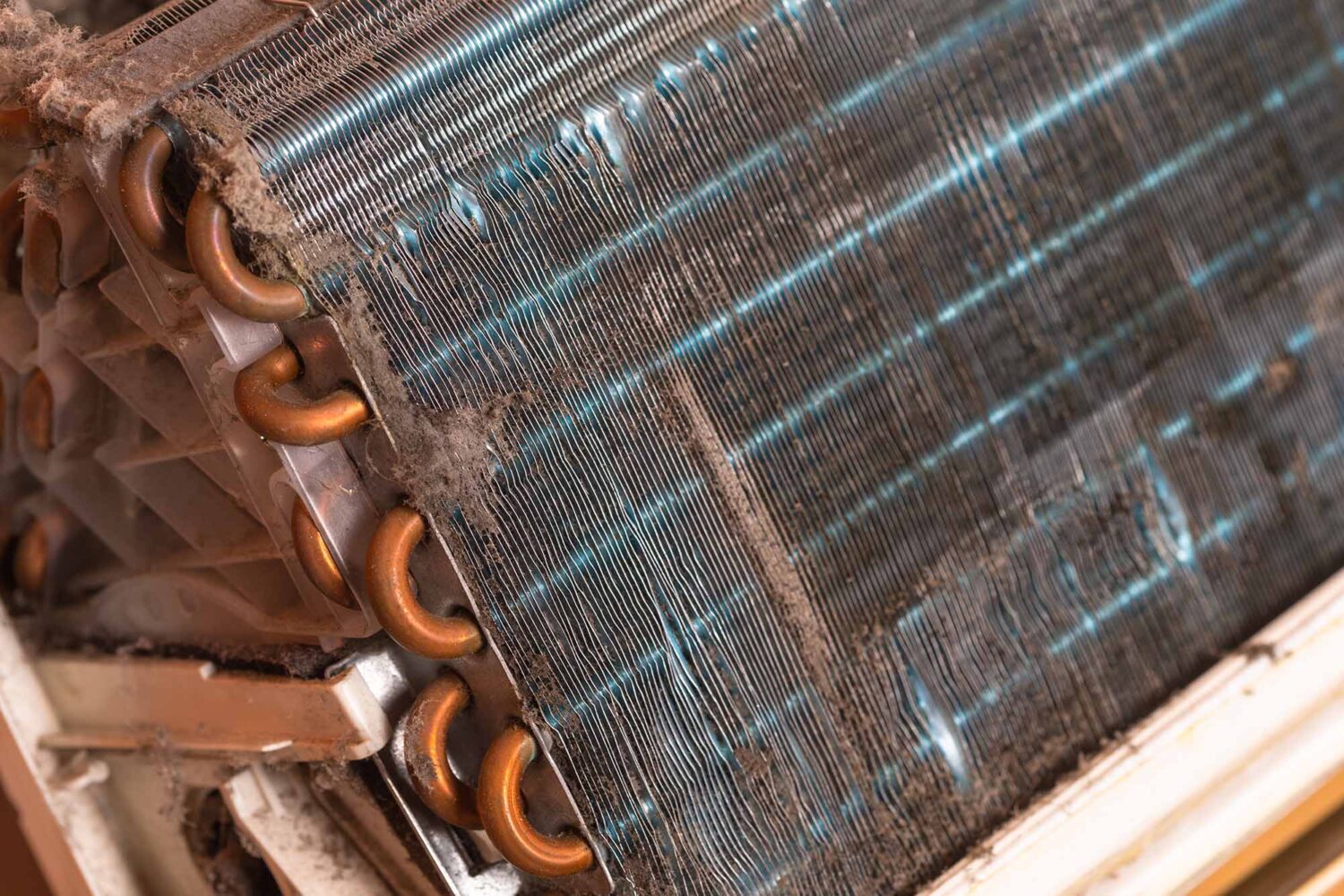
Visible warning signs include discoloration, oxidation, pitting, deteriorating fins, and damaged tubing. These conditions may indicate that environmental exposure is affecting coil materials.
Performance changes can also suggest a problem. Recurring leaks, declining cooling or heating capacity, and unexplained equipment issues may warrant further inspection.
Not all coil corrosion is visible. Formicary corrosion, for example, can develop inside copper tubing before external damage becomes apparent. Regular equipment inspections help identify potential problems and determine whether repairs or replacement are necessary.
How Can You Prevent HVAC Coil Corrosion?
Preventing coil corrosion starts with selecting materials and construction options appropriate for the operating environment. Equipment exposed to salt, chemicals, or persistent moisture may require additional protection.
Protective coatings can help limit contact between corrosive substances and metal surfaces. Different types of coil coatings offer varying levels of protection depending on environmental conditions, coating chemistry, and application requirements.
Proper maintenance also helps reduce corrosion risks. Keeping coil surfaces clean, maintaining drainage, and ensuring adequate airflow can limit contaminant buildup and prolonged moisture exposure. Cleaning products and methods should be compatible with the coil materials and any protective coating, following manufacturer instructions.
Inspection and cleaning schedules should reflect equipment recommendations, environmental conditions, and operating demands rather than a universal maintenance interval.
When Should You Replace a Corroded HVAC Coil?
Not every corroded coil requires replacement. Minor, isolated damage may be repairable, depending on its location, the condition of the tubing, and the equipment's operating requirements. Widespread deterioration, recurring leaks, or persistent performance problems may make replacement the more practical option.
Before ordering a replacement, determine whether the original coil construction was suitable for its environment. Installing an identical coil without addressing ongoing salt, chemical, or moisture exposure could lead to similar damage. Engineers and contractors should confirm dimensions, heating or cooling capacity, airflow, materials, circuiting, and connection requirements to ensure compatibility with existing equipment.
Custom replacement coils can help when original equipment is unavailable, installation space is limited, or a different material or protective treatment is needed.
How Is HVAC Coil Corrosion Evaluated?
Determining the extent of coil corrosion requires more than examining visible surface damage. Some forms of corrosion affect large areas of exposed metal, while others create small, localized defects that may be difficult to identify without closer inspection.
Technicians may use visual inspections, leak detection methods, and pressure testing to assess the condition of affected coils. The appropriate approach depends on the coil type, the suspected damage, and the system's operating requirements. For example, pressure testing can help identify leaks in tubing that may not show obvious signs of external deterioration. A coil that passes a leak or pressure test may still have corrosion-related deterioration; test results should be considered alongside its overall condition and service history.
Corrosion testing also plays a role in evaluating protective materials and coatings before equipment is installed. Salt spray testing and other controlled exposure methods can help manufacturers assess corrosion resistance, although laboratory results do not necessarily predict performance under every operating condition.
These evaluations provide useful information when determining whether an existing coil can remain in service or whether different materials and protective treatments should be considered for a replacement.
Request a Custom HVAC Coil from Precision Coils
Coil corrosion can affect performance long before a coil fails. Choosing appropriate materials and protective options can help reduce exposure-related damage and support dependable operation.
Contact Precision Coils to discuss your operating environment, existing coil dimensions, performance requirements, and available customization options. Share your project specifications to request a coil designed for your application and installation needs.