Blog
What Is Hot Gas Reheat? A Guide to HVAC Humidity Control
Hot Gas Reheat in HVAC Systems
In commercial buildings, hot gas reheat is a humidity-control method that allows an HVAC system to remove moisture without leaving the space too cold.
First, the system cools and dehumidifies the air, then it uses heat from the refrigeration cycle to raise the supply air temperature before it returns to the building. This approach is especially useful when moisture removal is needed, but the space has little demand for additional cooling.
Sensible Heat, Latent Heat, and Humidity Control
Sensible heat changes the air temperature, while latent heat relates to moisture in the air. An HVAC system needs to remove both as conditions change.
During dehumidification, warm and humid air passes across the evaporator coils. When the coil surface is below the dew point of the air, water vapor condenses and drains away. Lower coil temperatures can improve moisture removal, but they also produce supply air that’s colder than the space actually needs. Reheat helps address that temperature conundrum.
How Hot Gas Reheat Works After Dehumidification
Hot gas reheat occurs after the cooling coil removes the moisture. Humid air first crosses the evaporator and cools below its dew point, letting the moisture condense out. The cooled, drier air then passes across a reheat coil downstream from the evaporator; the heat from refrigerant warms the airstream to a better discharge temperature.
So, is hot gas reheat the same thing as dehumidification? Not exactly, but it’s part of a smart dehumidification strategy. The evaporator eliminates moisture, while reheat helps prevent excessive cooling afterward.
Trace the Refrigeration Cycle
The heat comes from compressor discharge gas. After the refrigerant leaves the compressor, a three-way or modulating valve diverts some hot refrigerant gas toward the hot gas reheat coil.
As air moves across the coil, heat transfers from the refrigerant to the dehumidified airstream. Then, the refrigerant continues through the configured refrigeration circuit. This setup recovers heat that has already been produced by the refrigeration process. The compressor still runs, but the system can reduce the need for separate resistance heat.
Hot Gas Reheat Coil Placement
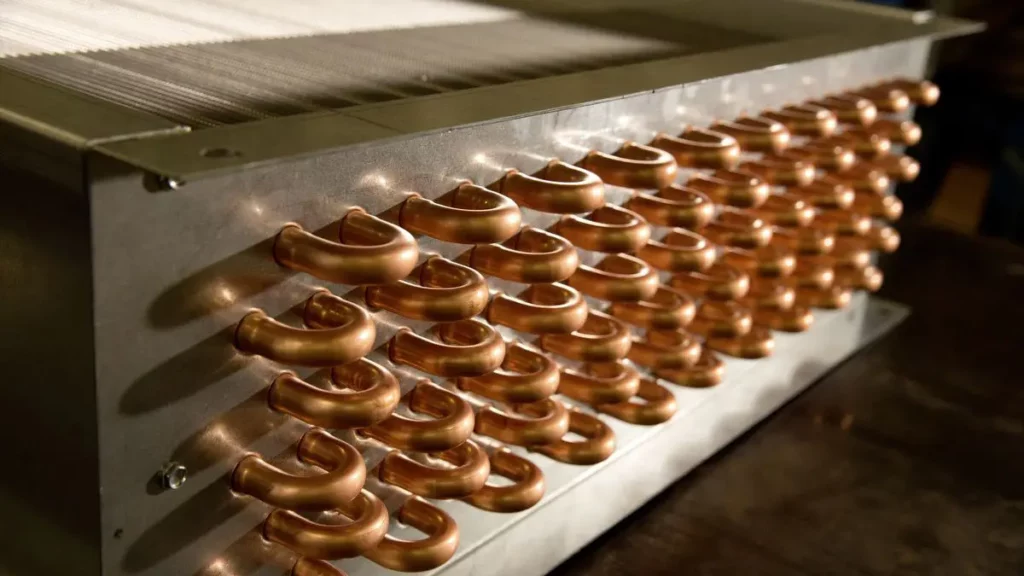
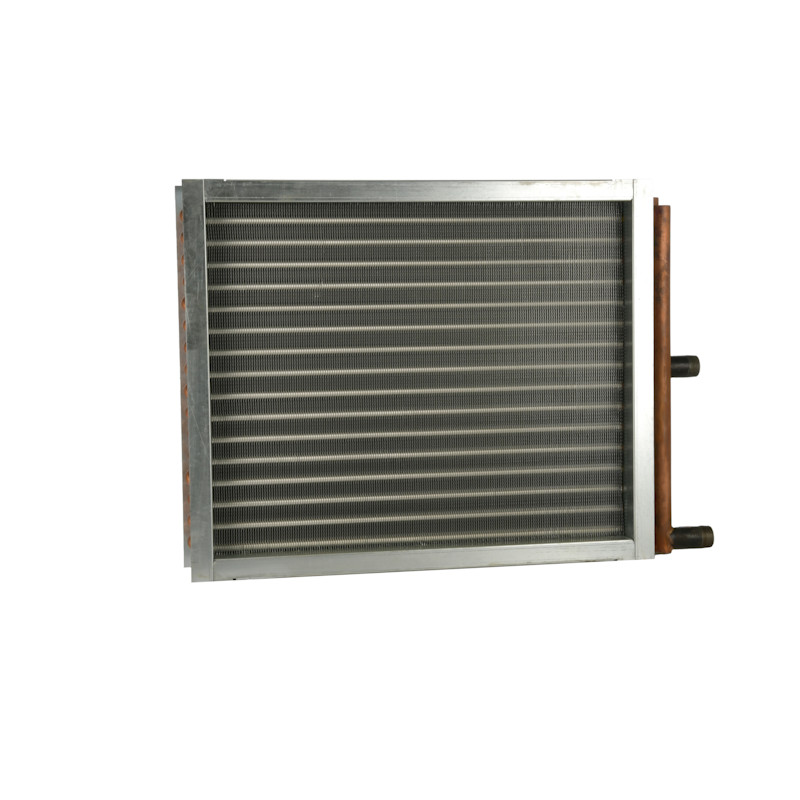
A hot gas reheat coil is usually installed downstream from the evaporator so it can warm air after moisture removal. Refrigerant piping, check valves, and control valves can direct flow through the proper circuit.
Circuiting should also support suitable refrigerant velocity and oil return. Poor routing or incorrect sizing are known to reduce heat transfer and affect system performance.
Hot Gas Reheat Coils vs. Electric Reheat
Electric reheat relies on resistance heating elements after cooling. It can be a good fit for certain designs, but it adds a separate electrical load while the cooling system is operating.
Instead, hot gas reheat recovers compressor-generated heat that would otherwise be rejected through the condenser. For settings with frequent dehumidification demand, that reduces reliance on electric reheat. Nonetheless, designers still need to consider compressor energy, controls, and operating conditions.
Hot Gas Reheat vs. Hot Gas Bypass
While hot gas reheat and hot gas bypass both redirect refrigerant, they’re designed for different purposes.
Hot gas reheat routes the compressor discharge gas to a downstream coil to warm cooled air and control discharge temperature. Hot gas bypass, meanwhile, routes the refrigerant to the low-pressure side during low-load operation to maintain evaporator pressure and prevent coil freezing.
Since they have distinct refrigerant paths, these two terms should not be used interchangeably.
Common Applications for Hot Gas Reheat
Hot gas reheat is commonly seen in commercial HVAC systems with substantial latent loads or tight humidity targets. Healthcare facilities and laboratories call for close humidity control, as well as hotels, schools, indoor pools, gymnasiums, supermarkets, and data centers.
It’s invaluable in humid climates and 100% outdoor air systems, where ventilation air can introduce significant moisture even when indoor temperatures don’t call for heavy cooling.
Design Factors for Hot Gas Reheat Coils
More than available cabinet space, a reheat coil must also match the system. The most important inputs include heat load, airflow, entering and leaving air conditions, refrigerant, operating pressures and temperatures, circuiting, and connection locations.
Tube, fin, and casing materials should serve the demands of the operating environment. For replacement projects, accurate coil dimensions are integral to fit and performance.
Controls for HVAC Systems
Controls can determine when dehumidification starts and how much reheat is applied. Humidity sensors trigger the sequence, while modulating valves adjust refrigerant flow to maintain a target discharge-air temperature.
These controls can also integrate with a building automation system, coordinating compressor capacity, airflow, humidity sensing, and reheat as the loads change.
Benefits and Limitations of Hot Gas Reheat
The biggest benefit is better humidity control without excessive cooling. Lower indoor humidity can reduce condensation and moisture-related damage while enhancing occupant comfort.
Reusing compressor heat can limit dependence on electric reheat, but the system still adds components, controls, and design complexity. Installation costs can also be higher.
Selecting Custom Hot Gas Reheat Coils
When choosing a custom coil, prioritize the physical dimensions and operating data: airflow, required capacity, refrigerant, entering conditions, desired leaving conditions, circuiting information, and connection requirements.
Precision Coils’ PC Select software helps engineers and contractors configure and price coils based on project needs. Detailed measurements are especially important for nonstandard dimensions.
Precision Coils for Replacement and OEM Applications
Precision Coils manufactures custom HVAC/R coils for replacement, OEM, retrofit, and design-build applications. Our hot gas reheat coils can be built to fit specific dimensions, materials, refrigerants, airflow requirements, and performance conditions.
We’re proud to provide selection support, coil testing, and quick-build options for projects with tight timelines.