Blog
Steam Coils: What They Are and What They Do
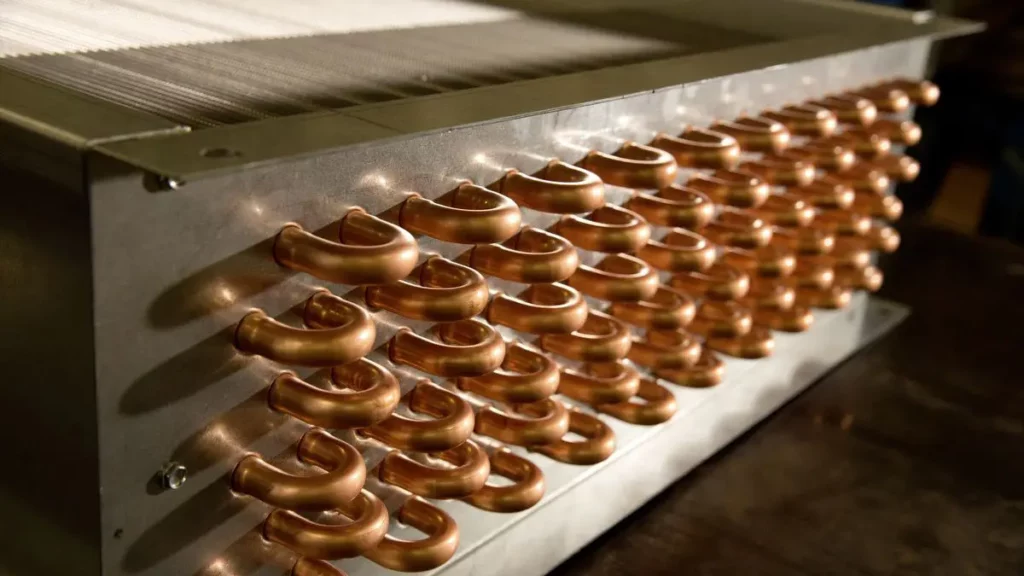
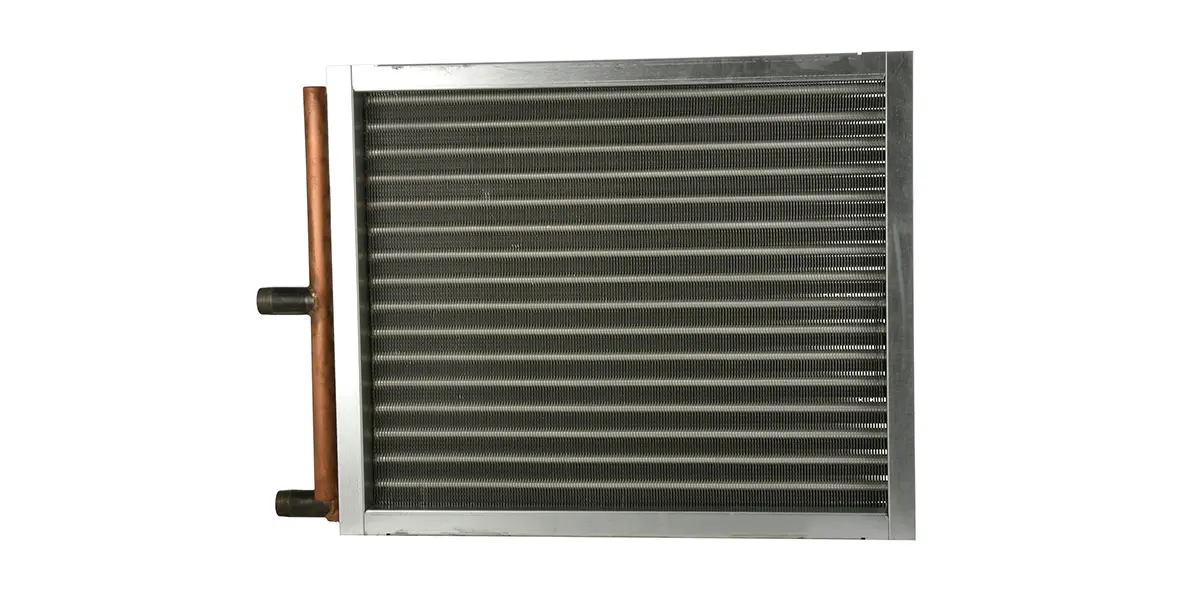
What is a steam coil, exactly, and where does it fit into your heating system? Steam coils are HVAC heat exchangers that use steam inside tubing to warm air passing across the fins.
You'll see steam coils in commercial air handling units and industrial heating systems, often connected to existing steam supplies. Typical applications are building ventilation and manufacturing dryers, including textile and food processing operations. Precision Coils manufactures custom coils for replacement, OEM, and new equipment projects.
How a Steam Coil Transfers Heat
Steam enters through the supply connection, then travels into the coil tubing. As it condenses into liquid water, it releases latent heat that passes through the tube walls and fins into the moving air.
The liquid, called condensate, exits through the return connection and a steam trap. Returning suitable condensate to the boiler recovers useful heat while reducing makeup water demand.
Standard Steam Coils vs. Steam Distributing Coils
The two main design types are standard and steam distributing coils. Standard steam coils suit warmer entering air where freezing isn't a concern. Distributing designs maintain more even heating in cold outdoor-air applications.
Standard Steam and Single-Pass Construction
Single-pass construction sends steam through straight tubes, typically with supply and condensate connections at opposite ends. Available row counts and circuit arrangements depend on the coil design and application.
Horizontal tubes require proper pitching toward the return. Multi-pass arrangements can accommodate space constraints or same-end piping, but longer circuits call for careful drainage review.
Steam Distributing Coil and Tube-Within-a-Tube Design
Steam distributing coils use what’s called a tube-within-a-tube arrangement. This means that a perforated inner tube spreads steam along the outer tube, warming the coil face evenly. Plus, properly directed steam jets can assist condensate removal.
This allows for steadier heat transfer, stabilizing the leaving-air temperature as the heating demand changes. Although they’re often called “non-freeze” coils, these designs still demand working drainage and freeze controls.
Steam Coil Design Considerations for Heat Transfer
Fin surface area, tube materials, and airflow can all affect capacity. Before selecting a coil, specify the airflow volume, entering and leaving air temperatures, and steam pressure.
Tube thickness needs to suit the operating pressure and service conditions. Standard-coil wall thicknesses range from .025 to .065 inches across available constructions, but don't treat that range as a universal rating.
Plate Fin Design
Plate fins extend across multiple tubes, while spiral fins wrap around individual tubes. Plate fin construction offers flexible surface configurations and improves heat transfer through added surface area.
Generally, it also provides better cleanability; wider fin spacing minimizes opportunities for dust to bridge adjacent fins. Rather than packing in as many fins as possible, shape the spacing around the airborne contaminants and cleaning access.
Freeze Protection in a Steam System
Trapped condensate can freeze when it’s exposed to cold air, potentially rupturing the tubes. Steam distribution can help, but freeze resistance still depends on drainage, controls, and continuous steam availability.
Distributing designs have same-end supply and return connections; opposite-end configurations also exist. For vulnerable outdoor-air systems, ask about non-freeze construction and safeties.
Choosing Steam Coils for HVAC Applications
Start with the coldest entering-air conditions, then match the heating capacity to the airflow and the required temperature rise. Confirm available steam pressure at the coil, including reduced-load operation.
Have a trained professional select the trap and review the return-line backpressure. Reliable drainage requires enough pressure difference to move condensate through the trap; some systems require pumping support.
Replacing Custom Steam Coils
Before you order, measure the existing coil's casing, finned height and length, and connection locations. Additionally, record tube rows, fin density, connection sizes, and installation orientation.
Include any equipment drawings and operating data, as precise specifications help match OEM equipment while addressing changes in heating demand or installation conditions.
Material and Testing Options
Copper offers excellent thermal conductivity, great for many HVAC applications. Stainless steel, carbon steel, and cupro-nickel can be suitable alternatives where pressure, corrosion, or process conditions call for different construction.
When properly selected, protective coatings extend service life in corrosive environments. Precision Coils specifies underwater testing with dry nitrogen to confirm coil integrity before shipment.
Steam Coil Problems and Maintenance
Poor drainage causes water hammer, reduced output, and corrosion. Meanwhile, excessive steam velocity, particularly with entrained moisture, contributes to erosion. Keep the fins clean and inspect all traps, vents, piping, and controls on a consistent schedule. Check for any changes in outlet temperature, as well as unusual banging or visible leakage. Recording these symptoms gives your service technician helpful information for troubleshooting.
After a failure, schedule professional evaluation before you replace the coil. Otherwise, unresolved system problems can cause damage to the replacement and bring you right back to square one.
How Long Do Steam Coils Last?
Steam coils don't have a guaranteed lifespan, as the steam and condensate quality, corrosion exposure, freeze events, materials, and maintenance all affect the replacement timing. Have a technician take a close look at leaks, tube condition, and heating performance.
Why Choose Precision Coils?
Precision Coils crafts custom steam coils for unique project dimensions and performance requirements. For urgent replacements, ask us about our Quick Build Program.
PC Select software streamlines coil selection and pricing for replacement, OEM, and design-build projects. Share your measurements and operating conditions with Precision Coils to request a tailored quote.